
Your Roof's Second Life: Eco-Friendly Replacement and Shingle Recycling
When it's time for a new roof, most homeowners focus on durability, cost, and appearance. These are all crucial factors, but there's another important consideration that's gaining traction: environmental impact. A full roof replacement is a significant project, and traditionally, it can generate a lot of waste. But what if you could protect your home with a high-quality new roof while also making a responsible choice for the planet? For homeowners in Mississauga, sustainable roofing isn't just a trend—it's a smart, achievable goal. This guide explores how modern practices, from material selection to shingle recycling, can make your next roofing project a green one.
The Hidden Impact of a Traditional Roof Replacement
To understand the benefits of eco-friendly roofing, it helps to first look at the conventional process. A typical asphalt shingle roof lasts about 20-25 years. When it's replaced, the old shingles—tons of them, literally—are torn off and hauled away. Historically, their final destination has been the local landfill. Asphalt shingles are bulky, don't biodegrade, and take up valuable landfill space. According to industry estimates, millions of tons of old roofing shingles end up in landfills across North America every year.
Beyond the waste, there's the production of new materials. Manufacturing traditional roofing products requires significant energy and raw resources. By rethinking the entire lifecycle of a roof, from production to disposal, we can significantly reduce this environmental footprint. The goal is to move from a linear "take-make-dispose" model to a circular one where old materials are given a new purpose.
Choosing Your Materials: The Foundation of a Sustainable Roof
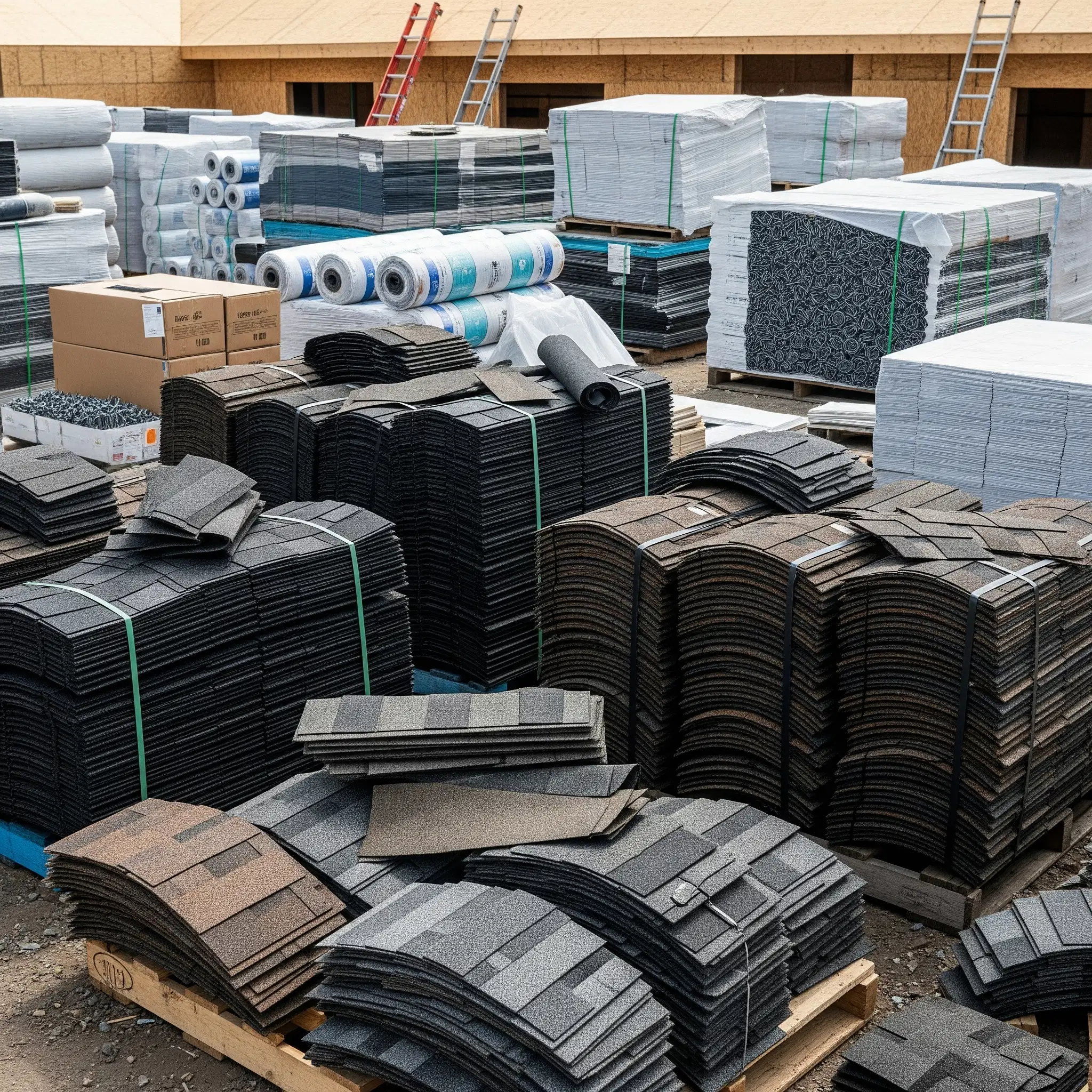
An eco-friendly roof starts with smart material choices that align with homeowner priorities like durability and long-term value. The good news is that you don't have to sacrifice quality to be green. Many of the best-performing materials for our Canadian climate are also excellent sustainable options.
-
Architectural Asphalt Shingles: The most popular choice for a reason. Many leading manufacturers, including GAF, now produce shingles that contain recycled content. More importantly, they can be recycled at the end of their life. We often recommend architectural shingles because they offer a fantastic balance of cost, performance against conditions like ice damming, and aesthetic appeal.
-
Cool Roofs: This is a key trend in sustainable building. Cool roofs use materials with high solar reflectivity, which means they absorb less heat from the sun. This simple feature can help keep your attic and home cooler in the summer, reducing your reliance on air conditioning and lowering your energy bills. Many modern shingles come with cool roof-rated granules.
-
Metal Roofing: While a larger initial investment, metal roofs are a champion of longevity and sustainability. They often contain a high percentage of recycled metal, and at the end of their very long lifespan (50+ years), they are 100% recyclable. Their durability means less frequent replacement and less waste over time.
The Heart of the Matter: How Shingle Recycling Works
So, what actually happens to your old shingles when you choose a contractor committed to recycling? It's a fascinating process that turns waste into a valuable resource. Instead of being dumped in a landfill, the old asphalt shingles are transported to a specialized recycling facility.
At the facility, the shingles are ground down into a material called recycled asphalt shingle (RAS). This material is then incorporated into the asphalt mix used to pave roads and parking lots. The bitumen (asphalt cement) and aggregate in the old shingles are perfect for strengthening new pavement. Every ton of shingles recycled reduces the need for virgin oil and new aggregate, conserving natural resources and energy.
At Sheriff Roofing, we've integrated this into our standard process. We partner with local recycling facilities to ensure that the waste from your roofing project is diverted from landfills and given a second life. It's a simple step that makes a massive difference.
A Sustainable Process from Start to Finish
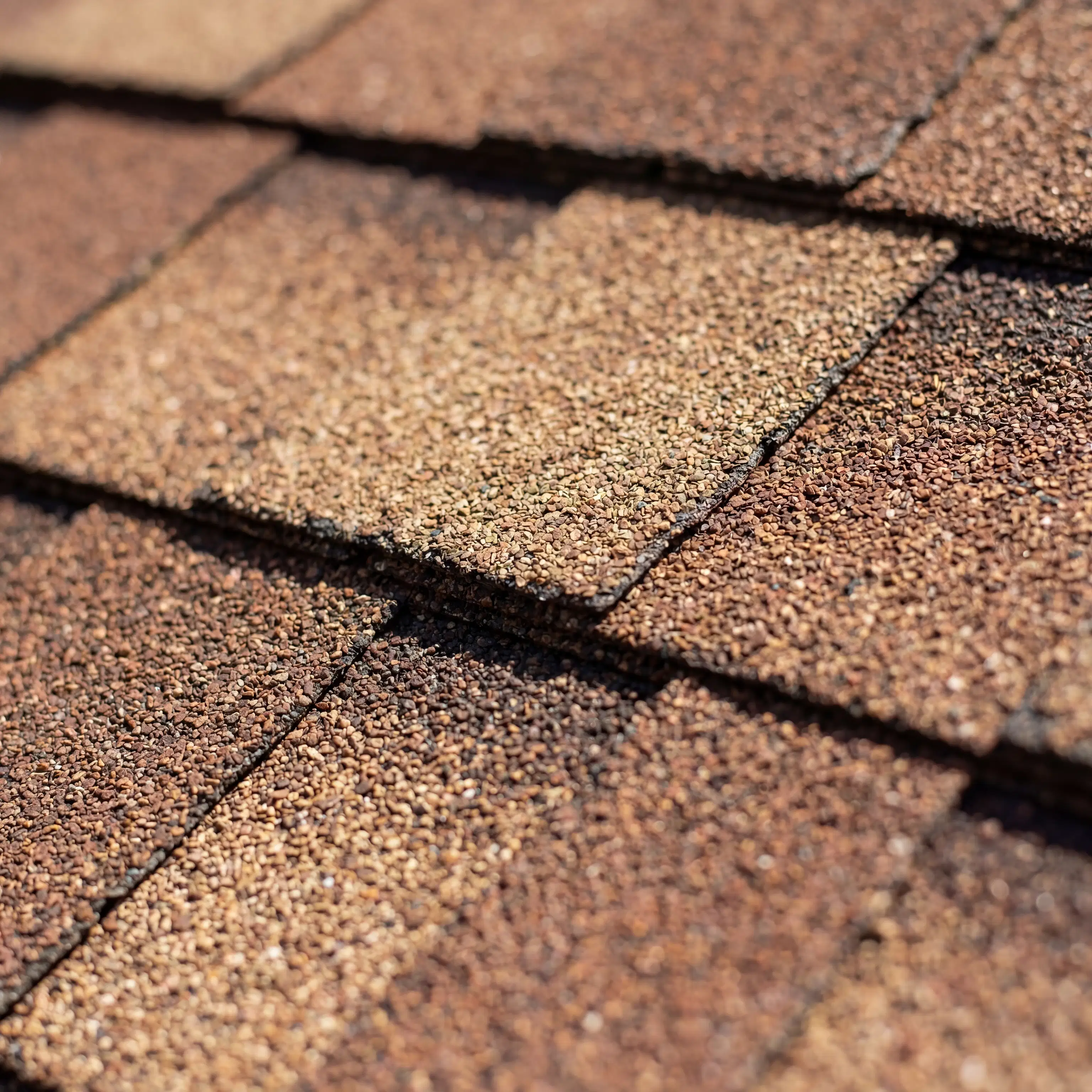
Eco-friendly roofing is about more than just materials and recycling. It's a comprehensive approach that minimizes waste at every stage. Our commitment to sustainability includes:
- Careful Planning: Before we even begin, we take precise measurements to order the right amount of materials. This minimizes off-cuts and leftover waste.
- Organized Job Sites: A clean, well-managed site isn't just about safety and professionalism; it's about efficiency. We sort materials on-site, separating recyclable metals (like flashings and eavestroughs) from the shingles.
- Compliance and Permitting: We handle the entire process, including securing the necessary building permit from the city. This ensures your new roof not only performs well but also meets all local codes for safety and installation quality.
By focusing on the entire process, we ensure that your project is as efficient and low-impact as possible. It's part of our promise to treat your home as if it were our own.
Protect Your Home and the Environment with Sheriff Roofing
A roof replacement is one of the most important investments you'll make in your home. By choosing a sustainable approach, you're not only getting a durable, high-quality roof but also contributing to a healthier community and planet. From selecting energy-efficient materials to ensuring your old shingles are recycled, every step matters.
If you're considering a new roof and want to learn more about our eco-friendly roofing and roof maintenance options in the Mississauga area, we're here to help. Contact us today for a free, no-obligation consultation and discover how a new roof can be a win for both your home and the environment.